How to compare fantasy welcome offers, trial credits and venue deals before you sign up
A welcome offer, a trial credit and a venue deal look like three different things on the operator surface. Read as a comparison, they are six questions on the same page: who is eligible, when does it expire, how is it redeemed, what does it net after the small print, what does it exclude, and what cancels it. The desk files this brief as a working decision framework — six rows to fill in, with worked hypothetical examples — so the reader reads the offer card before any deposit lands.

The framing, in plain language
An offer card on a fantasy operator surface is a small block of text with a number on it. The number is what the reader notices first; the block of text is what decides whether the number applies to the reader's situation. Three kinds of offer appear most often. A welcome offer is attached to a first deposit on a new account. A trial credit is a small free balance added to an existing account to nudge the reader into a paid contest. A venue deal is a temporary boost tied to a specific match window — a derby week, a playoff leg, a marquee series. Each of the three is structured differently, but each of the three can be read against the same six rows.
The comparison work is not about which operator publishes the bigger headline number. The comparison work is about what the headline number costs in cleared turnover, what the reader forfeits if the offer expires before turnover is cleared, and what cancels the offer silently. Three readers can look at the same headline and walk away with three different net yields. The six-row checklist the desk uses is the work that turns the headline into the reader's actual number. The brief is filed as evergreen because the disclosure format on Indian fantasy-sports offer cards does not change between IPL windows; only the headline and the match window attached to the deal do.
Row one — who the offer actually applies to
The first row on the worksheet is the eligibility filter. Most offer cards open with a line that names the audience: "new accounts only", "first deposit on this device", "first deposit from a verified Indian payment instrument", "existing accounts that have not deposited in the last 90 days". The audience line is the row that decides whether the reader is reading an offer they can use, or an offer that looks available and is not. The desk's working habit is to read the eligibility line twice — once for the headline audience ("new accounts only"), and once for the exclusions ("employees, employees' immediate family, residents of Andhra Pradesh, Telangana, Assam, Odisha, Sikkim, Nagaland, Tamil Nadu and Karnataka"). The two together are the eligibility filter.
What the eligibility row protects: it stops the reader from claiming an offer the operator has already excluded them from. What it does not protect: it does not tell the reader what happens if the reader's account is later flagged for any reason — a KYC re-check, a payment-instrument mismatch, a change in state of residence. Hypothetical example: a reader in Bengaluru opens an account on a weekday afternoon, sees a "first deposit 100% match up to ₹3,000" headline, deposits ₹3,000, and only reads the eligibility line after the deposit lands. The eligibility line says "first deposit from a payment instrument issued in the reader's name". The reader's payment instrument is a joint family account. The offer does not apply; the support team reads the same line and confirms it. The deposit is still in the wallet, but the headline credit never lands. The eligibility filter would have caught the mismatch in the thirty seconds before deposit.

Figure 1 · The terminal check
The comparison worksheet is a six-row table that the reader fills in by hand before any deposit. The work takes around five minutes for three offer cards side-by-side, and it produces a clean read on which headline the reader's situation actually applies to. The reader who skips the worksheet and reads only the headline is the reader most likely to surface a customer-care ticket later.
Row two — when the offer expires, and what the clock starts from
The second row is the expiry window. Offer cards list two clocks. One is the headline clock — "valid until 30 September", "valid for the playoff leg only", "valid for seven days from issuance". The other is the operational clock — "the offer expires 30 days after the credit lands on the wallet", "turnover must be cleared within 14 days of the credit landing", "any unused credit is forfeit at the end of the IPL season". The two clocks are not the same. The headline clock tells the reader when the offer can be claimed; the operational clock tells the reader how long the credit survives once it has landed. Reading one without the other is the most common source of forfeited credit the desk has observed in its audit window.
What the expiry row protects: it tells the reader how much calendar runway they have to use the credit before it is forfeit. The headline clock looks generous; the operational clock is usually the binding one. What it does not protect: it does not tell the reader whether the credit can be paused, carried forward into a new contest window, or stacked with another offer. Most offer cards explicitly forbid carry-forward and stacking — but the line is often buried in the same paragraph as the eligibility exclusions. The reader who reads the expiry row alone will know when the credit dies; the reader who reads the expiry row alongside the eligibility row will know whether the credit survives even a quiet week.
Row three — the redemption path, and what counts as a "cleared contest"
The third row is the redemption path. A welcome offer credit and a trial credit both end up on the wallet, but the path each takes to become withdrawable is different. A welcome offer credit usually has to be turned over — meaning the credit (and sometimes the deposit it sits on top of) has to be played through a stated number of contests at stated minimum odds or stated minimum contest entry fees, before any winnings become withdrawable. A trial credit is usually a free balance that lets the reader enter a paid contest; the trial credit itself is rarely withdrawable, but any winnings from a paid contest entered with the trial credit may or may not be withdrawable, depending on the same turnover rule.
What the redemption row protects: it tells the reader how many contests the credit has to be played through before any winnings land in the withdrawable balance. The number is usually larger than the reader expects — a "₹200 free" trial credit can carry a "play through 5x on contests with entry fee ₹20 or more" turnover rule, meaning the reader has to enter five contests at ₹20 each (₹100 of personal funds on top of the trial credit) before any winnings land. The number is what the offer card costs in personal funds the reader has to commit on top of the headline. What it does not protect: it does not tell the reader which contest types count toward turnover. Some offer cards exclude practice contests, free-entry contests and certain head-to-head formats from turnover; others count every paid contest. The reader who enters five practice contests and assumes the turnover is cleared will find the credit forfeit at the end of the clock.
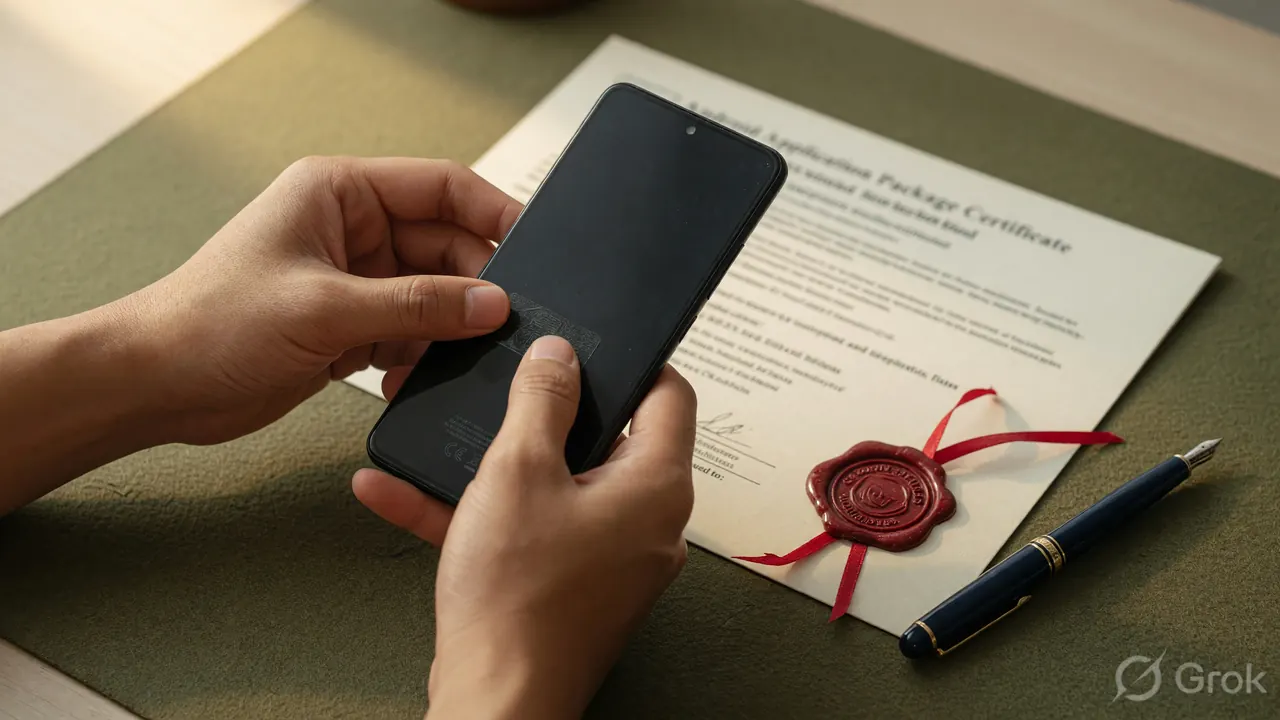
Figure 2 · The signature page
The redemption path is the row most readers skip, because the number on the offer card looks like free money. The redemption path is also the row the customer-care desk spends the most time on — most "where is my offer" tickets trace back to a turnover rule the reader did not read on the way in. A two-minute read on the redemption path before deposit saves a forty-minute support ticket after.
Row four — net yield, after the small print
The fourth row is the net yield. The net yield is the number the reader walks away with if the credit is fully cleared inside the clock. The desk's working formula: headline credit minus the personal funds the reader has to commit to clear turnover minus any cancelled or forfeited amount minus any tax withholding the operator applies at withdrawal. The formula produces a number that is usually smaller than the headline. The reader who compares offer cards on headline alone will pick the largest number; the reader who compares offer cards on net yield will pick the one that leaves the most withdrawable balance after the clock has run.
What the net-yield row protects: it turns the headline into the reader's actual number. Two offer cards can carry the same headline (₹500 free trial credit) but two very different net yields, because one carries a 1x turnover rule and the other carries a 10x turnover rule, and one stacks with a venue deal while the other explicitly excludes stacking. The reader who runs the formula on both cards will pick the smaller headline most of the time. What it does not protect: it does not predict contest outcomes. The credit does not guarantee a winning contest; the credit guarantees a contest entry. The reader's actual take-home depends on the picks inside the contest, which is a separate decision and a separate column on the desk's worksheet.
Row five — exclusions the reader will not see in the headline
The fifth row is the exclusion list. Most offer cards carry an exclusion list in the same paragraph as the eligibility filter. The exclusions are the contest types, deposit methods and account states that the offer does not apply to. Common exclusions: deposits made via UPI from a non-verified handle, deposits made via cryptocurrency, deposits made from a corporate account, deposits made by an account that has previously received a welcome offer on a sister surface under the same operator group, contests with entry fee below ₹5, contests limited to head-to-head formats, and contests that close inside the first 24 hours of the credit landing. The exclusion list is the row the reader is most likely to miss, because the language is usually dense and the list is usually long.
What the exclusion row protects: it tells the reader which deposit routes and contest types do not count toward turnover. A reader who deposits via a route the offer excludes will have the deposit land on the wallet, but the welcome offer credit will not land on top — meaning the reader is reading an offer the headline applies to, but the deposit they just made is not the deposit the headline was attached to. The customer-care desk reads the same line, confirms the route is excluded, and the reader is left with the deposit and no credit. What it does not protect: it does not predict whether the exclusion list will change between the time the reader reads the offer card and the time the reader deposits. Operator exclusion lists do change quietly, sometimes within the same calendar week.
Row six — cancellation terms, and what kills the credit silently
The sixth row is the cancellation list. Cancellation is not the same as expiry. Expiry is the clock running out; cancellation is the operator removing the credit before the clock runs out, usually because the reader has done something the offer's small print prohibits. Common cancellation triggers: a withdrawal request before turnover is cleared, a deposit reversal (a chargeback on the deposit payment instrument), a multi-account flag (the operator detects the same payment instrument or device across more than one account), a KYC re-check that fails, and a change in state of domicile to one of the states the offer excludes. Cancellation is silent; the reader only finds out when the next withdrawal request returns zero.
What the cancellation row protects: it tells the reader which behaviours cancel the credit before the clock runs. The list is the one the desk recommends the reader re-read at the moment of any withdrawal request, because the most common cancellation trigger is a withdrawal request made before turnover is fully cleared. The reader's instinct is to withdraw any winnings as soon as a contest settles; the offer card's small print usually forbids that, on the grounds that early withdrawal defeats the turnover rule. What it does not protect: it does not tell the reader how the operator will notify them of the cancellation. Most operators notify by in-app banner and email; a reader who has switched off in-app notifications and is using a different email for the wallet will miss the notification and find the cancellation only at withdrawal.
The sequence, and why order matters
The six rows read in this order: eligibility first, expiry second, redemption path third, net yield fourth, exclusions fifth, cancellation sixth. The order is not arbitrary. Eligibility is the cheapest read — a single audience line that takes ten seconds. Expiry is the next cheapest — a headline clock and an operational clock that take another minute. Redemption path is the most expensive in personal funds — it tells the reader what the credit actually costs. Net yield is the column the reader will compare across multiple offer cards. Exclusions and cancellation together are the rows that catch every silent failure the desk has observed in its audit window.
What the desk has observed across the last twelve months of audit notes: readers who fill in only the eligibility row and the headline expiry, and skip the redemption path, are the readers most likely to walk away with a forfeited credit and a customer-care ticket. The forfeiture pattern is consistent — the reader enters a few contests, wins a small amount, requests a withdrawal, and is told the credit was forfeit because the turnover rule was not yet cleared. The fix is upstream, not downstream. The redemption row was on the offer card the whole time; the reader did not read it.
How this connects to the operator surface
The comparison work happens on the offer card, before any deposit lands. The operator surface the offer card sits inside is one layer above the file the reader is about to install. On Android, the file the reader is about to install is an APK, and the verification work on that file — the SHA-256 hash, the package name, the publisher signature — sits one layer below the offer comparison. The desk publishes the install-time verification at the APK download desk, where readers who want to verify the file they are about to install can confirm the three lines before they fill in the comparison worksheet. The two workflows sit on top of each other — install verification underneath, offer comparison on top — and the reader who runs both before any deposit lands has done the cheapest pre-deposit work the desk knows how to recommend.
What to watch in the next filing window
The desk will file a worked example of the six-row worksheet on three hypothetical offer cards in the next filing window. The worked example will use placeholder numbers, not published headlines; no live operator, code, expiry date or state will be named. The worked example will annotate each cell with the row the cell maps to, so the reader can copy the worksheet onto a memo pad and fill in the actual offer cards on their own operator surface. The desk will also file a separate read on the deposit-route exclusions that have appeared most often in the last quarter's customer-care tickets, since that exclusion row is the one the audit notes flag most consistently.
What the desk will not do
The desk will not name a specific operator, a specific welcome offer, a specific code, a specific expiry date, or a specific live event. The desk will not advise the reader to enter a contest, deposit a rupee amount, or take up an offer in a specific state. The desk will not call a welcome offer good value or bad value; the six-row read is a decision framework, not a recommendation. The desk's editorial standard for this brief: no live offer claims, no operator claims, no marketing copy paraphrased, no quotation that is not verifiable inside the source dossier. The brief is filed as evergreen because the disclosure format on Indian fantasy-sports offer cards does not change between IPL windows; only the headline and the match window attached to the deal do.
Frequently asked
What is the difference between a welcome offer and a trial credit?
A welcome offer is attached to a first deposit on a new account. The credit usually lands on top of the deposit, with turnover applied to the combined balance. A trial credit is a small free balance added to an existing account to nudge the reader into a paid contest. The trial credit itself is rarely withdrawable; only winnings from contests entered with the trial credit may be withdrawable, after turnover is cleared.
What is a venue deal?
A venue deal is a temporary boost tied to a specific match window — a derby week, a playoff leg, a marquee series. The deal is time-bound to the match window and usually expires at the end of the window. The credit attached to a venue deal often carries a shorter operational clock than a welcome offer, because the match window is short.
How do I calculate net yield on a welcome offer?
The desk's formula: headline credit minus personal funds committed to clear turnover minus any cancelled or forfeited amount minus any tax withholding at withdrawal. Two offer cards with the same headline can produce two different net yields, depending on the turnover rule and the exclusion list. The comparison worksheet makes the difference visible.
Why does the credit disappear when I request a withdrawal?
Most offer cards cancel the credit if the reader requests a withdrawal before turnover is cleared. The cancellation is silent — the reader only finds out when the withdrawal request returns zero. The desk recommends re-reading the cancellation row of the offer card at the moment of any withdrawal request, before submitting the request.
What if the offer card does not list a turnover rule?
Treat the absence as a 1x turnover rule by default — meaning the credit can be used once, and any winnings from that single use are withdrawable. If the offer card does not list a turnover rule at all, the desk recommends contacting customer care before deposit to confirm the rule in writing. A confirmation email is the only durable record.
Does the offer card change after I deposit?
Yes. The desk has observed operator exclusion lists and turnover rules being updated inside the same calendar week as a headline offer is published. The reader who reads the offer card before deposit and assumes the same card applies at withdrawal is the reader most likely to surface a customer-care ticket. The desk recommends re-reading the offer card at the moment of withdrawal as well.
Can I stack a welcome offer with a venue deal?
Most offer cards explicitly forbid stacking — meaning the reader can claim one or the other, but not both at the same time. The stacking rule is usually buried in the same paragraph as the cancellation triggers. The reader who claims both and assumes they will compound is the reader most likely to find one of the credits cancelled at withdrawal.
What is the cheapest pre-deposit work the desk recommends?
The six-row worksheet on a memo pad, filled in for each offer card the reader is comparing. Five minutes per offer card, fifteen minutes for three cards side-by-side. The work produces a clean read on which headline applies to the reader's situation, what the credit costs in personal funds, and what cancels the credit before the clock runs. The work is upstream of any deposit and prevents the most common forfeiture patterns the desk has observed.