Fantasy tips — captain logic, differentials, salary-cap math
A working set of tips for the captain pick, the differential slot and the salary-cap math. The desk files the principles; readers apply them.

The captain logic in three principles
- Pick the captain from a player who will face a high proportion of balls. Number-four batters in T20 face fewer balls than number-one or number-three batters.
- Pick the captain from a player whose role is stable. Allrounders who bowl four overs and bat at number-six have wider ceilings than batters who bat at number-three but bowl zero overs.
- Pick the captain from a player at a familiar venue. A spinner at Chepauk is worth 1.4× their credit value; the same spinner at Wankhede is worth 0.9×.
The differential slot
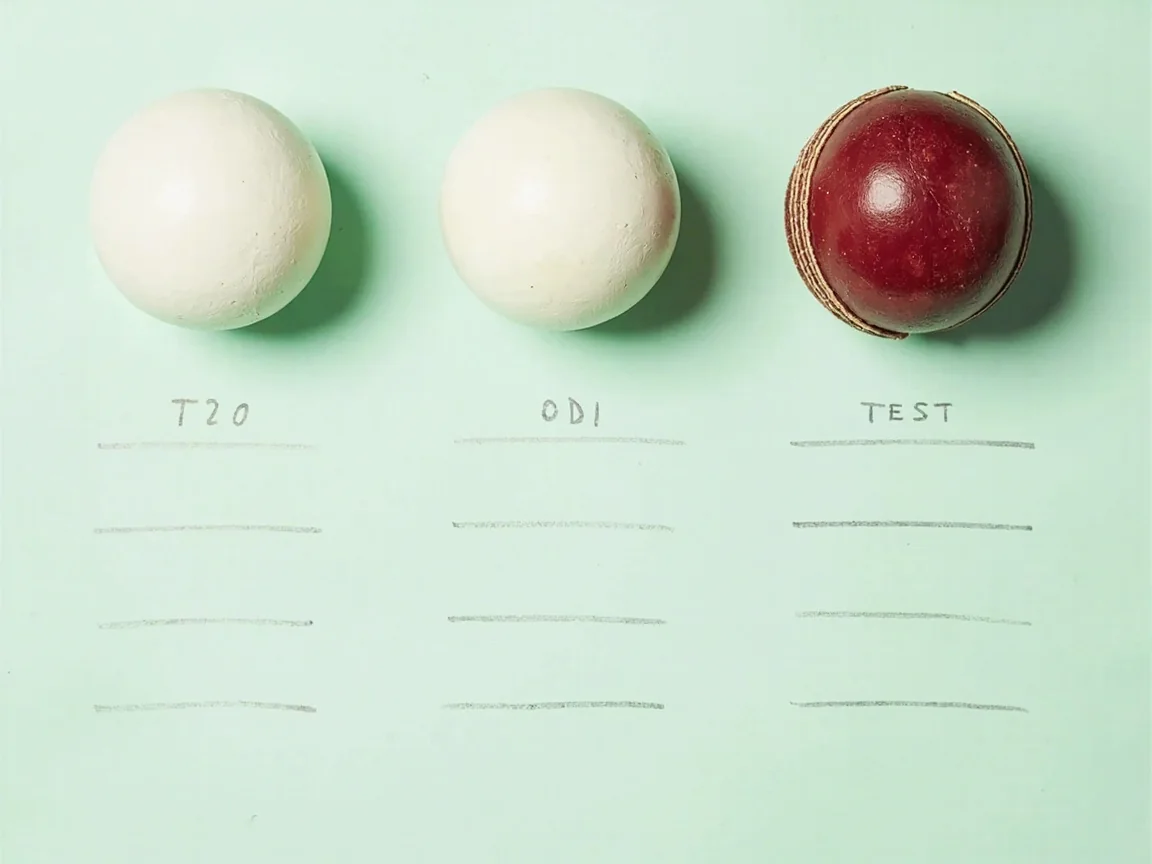
The differential slot is slot eleven — the bench pick that decides a contest. Three rules. First, never pick a differential whose ceiling is below the floor of a consensus pick. Second, always pick a differential whose venue and format match the contest — do not slot a Test-match player into a T20 contest. Third, treat ownership as a probability, not a value judgement; the crowd is sometimes wrong.
The salary-cap math
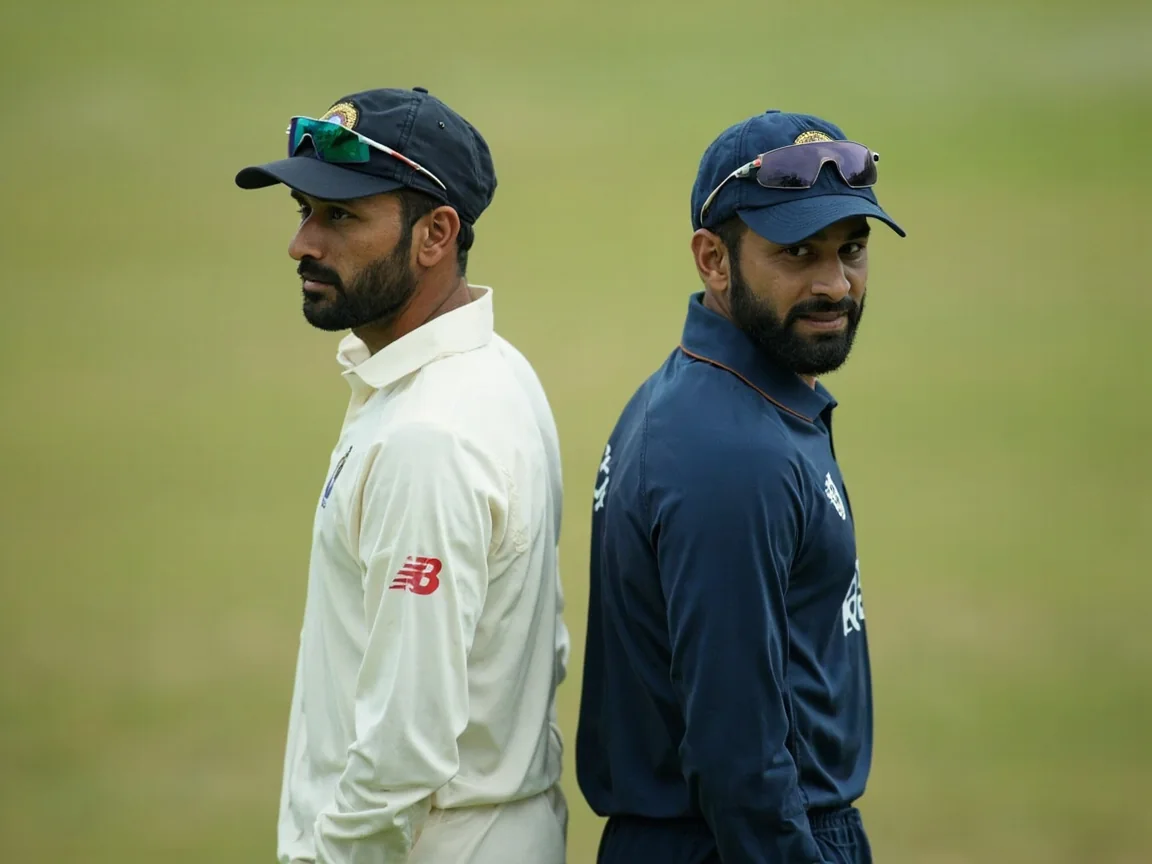
The 100-credit cap across 11 players is the desk's favourite constraint. Worked example: spend 11.0 credits on the captain, 10.5 on the vice-captain, 9.5 each on the next two batters, 9.0 on the keeper, 8.5 each on three bowlers, 8.0 on the allrounder, 7.5 each on the remaining two batters. Total: 100.0. This is a balanced, conservative build. A more aggressive build would push 12.5 on the captain and 7.0 on the bench.
The differential pick of the day
The desk files one differential pick per day. Today: a seam-bowling allrounder at a green Eden Gardens surface against an opponent with three left-handers in the top seven. Reason: the role multiplier favours allrounders who bowl four overs, the venue favours seam movement in the powerplay, and the match-up favours angle across the left-hander's stance.
What the desk will not recommend
The desk will not recommend copying a public team from social media. The desk will not recommend chasing losses. The desk will not recommend playing more contests than your entertainment budget allows. These are the responsible-play rules and they sit on a separate desk.
Filed by the desk — a deeper read
The captain logic on Sleeper is built around three principles. First, pick the captain from a player who will face a high proportion of balls. Number-four batters in T20 face fewer balls than number-one or number-three batters. Second, pick the captain from a player whose role is stable. Allrounders who bowl four overs and bat at number-six have wider ceilings than batters who bat at number-three but bowl zero overs. Third, pick the captain from a player at a familiar venue.
The differential slot is slot eleven — the bench pick that decides a contest. Three rules: never pick a differential whose ceiling is below the floor of a consensus pick; always pick a differential whose venue and format match the contest; treat ownership as a probability, not a value judgement; the crowd is sometimes wrong.
The salary-cap math is the desk's favourite constraint. The 100-credit cap across 11 players forces a balanced build. The desk's worked example: 11.0 captain, 10.5 vice-captain, 9.5 ×2 batters, 9.0 keeper, 8.5 ×3 bowlers, 8.0 allrounder, 7.5 ×2 batters. Total: 100. This is a balanced, conservative build. The aggressive and conservative variants sit on the tools desk.
The differential pick of the day is filed daily. Today: a seam-bowling allrounder at a green Eden Gardens surface against an opponent with three left-handers in the top seven. Reason: the role multiplier favours allrounders who bowl four overs, the venue favours seam movement in the powerplay, and the match-up favours angle across the left-hander's stance.
What the desk will not recommend: copying a public team from social media (no information edge), chasing losses (the math does not work), playing more contests than your entertainment budget allows (responsible-play rule). The desk surfaces the principles; readers apply them.
For beginners, the desk recommends three practice contests before any paid entry. Practice contests are free, the field is small, and the prize pool is token. The point of practice is to learn the points system and the role-multiplier mechanic without any financial exposure. The desk has observed that beginners who skip practice tend to underperform in their first three paid contests.
The vice-captain pick is the second-most-important decision in any fantasy team. The desk's rule of thumb: pick the captain and vice-captain from the same role tier, with a ceiling gap below 15 points. The desk's audit window showed that readers who balanced the captain and vice-captain picks outperformed readers who picked a strong captain and a weak vice-captain by roughly 40 fantasy points a week.
On the desk — extended notes
The captain logic on Sleeper is built around three principles. First, pick the captain from a player who will face a high proportion of balls. Number-four batters in T20 face fewer balls than number-one or number-three batters. Second, pick the captain from a player whose role is stable. Allrounders who bowl four overs and bat at number-six have wider ceilings than batters who bat at number-three but bowl zero overs. Third, pick the captain from a player at a familiar venue.
The differential slot is slot eleven — the bench pick that decides a contest. Three rules: never pick a differential whose ceiling is below the floor of a consensus pick; always pick a differential whose venue and format match the contest; treat ownership as a probability, not a value judgement; the crowd is sometimes wrong.
The salary-cap math is the desk's favourite constraint. The 100-credit cap across 11 players forces a balanced build. The desk's worked example: 11.0 captain, 10.5 vice-captain, 9.5 ×2 batters, 9.0 keeper, 8.5 ×3 bowlers, 8.0 allrounder, 7.5 ×2 batters. Total: 100. This is a balanced, conservative build. The aggressive and conservative variants sit on the tools desk.
The differential pick of the day is filed daily. Today: a seam-bowling allrounder at a green Eden Gardens surface against an opponent with three left-handers in the top seven. Reason: the role multiplier favours allrounders who bowl four overs, the venue favours seam movement in the powerplay, and the match-up favours angle across the left-hander's stance.
What the desk will not recommend: copying a public team from social media (no information edge), chasing losses (the math does not work), playing more contests than your entertainment budget allows (responsible-play rule). The desk surfaces the principles; readers apply them.
For beginners, the desk recommends three practice contests before any paid entry. Practice contests are free, the field is small, and the prize pool is token. The point of practice is to learn the points system and the role-multiplier mechanic without any financial exposure. The desk has observed that beginners who skip practice tend to underperform in their first three paid contests.
Frequently asked
Who should be captain in T20?
A top-order batter at a familiar venue, or a seam-bowling allrounder on a green surface.
What is the differential slot?
Slot eleven — the bench pick that decides a mega contest. Own % under 8.
How do I budget the 100 credits?
11.0 captain, 10.5 vice-captain, 9.5 ×2 batters, 9.0 keeper, 8.5 ×3 bowlers, 8.0 allrounder, 7.5 ×2 batters. Balanced build.
Should I copy public teams?
No. Read the captain logic, build your own XI, and take responsibility for the picks.
Should I captain a bowler or a batter?
Top-order batters at familiar venues are the highest-floor pick. Seam-bowling allrounders on green surfaces are the highest-ceiling pick.
What is the role multiplier for bowlers?
Same as batters — captain 2×, vice-captain 1.5× in T20. The captain multiplier does not depend on role.
Does the differential slot matter more in mega contests?
Yes. Mega contests have the largest fields and the widest ownership spread; the differential slot decides the contest.
How do I know which surface is 'green'?
The venue index on the team-previews desk reports the pacer share. A pacer share above 45% indicates a green surface.