Match predictions — tonight and tomorrow's tiers, venue-tagged
Tonight's and tomorrow's match tiers, tagged by format and venue. The desk surfaces a probable XI for each match, a captain read, and a venue index. We do not call winners.
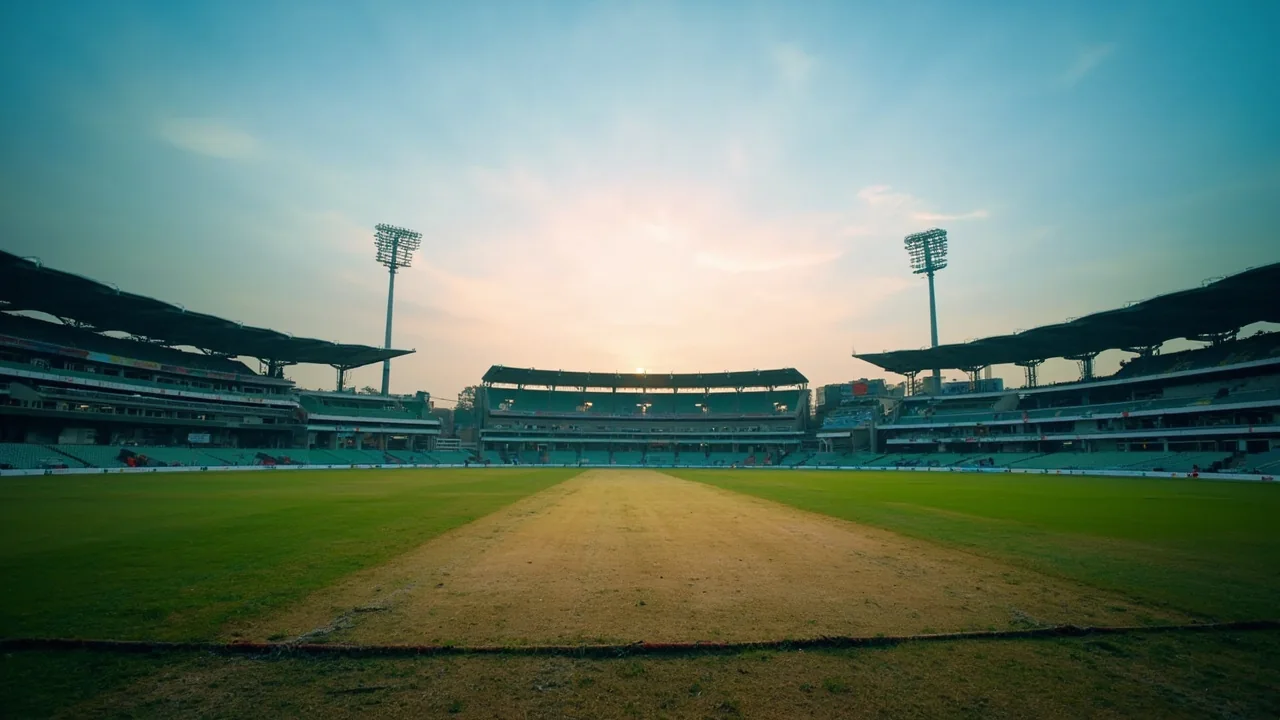
How the desk reads a match
Three layers. First, the probable XI, sourced from the squad announcement and the last-5 selection pattern. Second, the venue read — pitch index, dew factor, average first-innings score, pace-vs-spinner share. Third, the captain candidate — drawn from the role-multiplier math on the points-system desk. The three layers combine into a captain pick, a differential pick, and a fade pick.
Tonight's tier
Tonight's tier is filed by 22:00 IST on match day. The format is T20; the captain candidate, differential pick and fade pick are filed together. The desk does not call winners, but it does surface a captain read and a venue read that any fantasy player can use.
Tomorrow's tier
Tomorrow's tier is filed by 22:00 IST the night before. Tomorrow's tier is broader — it covers ODI fixtures on the international calendar and marquee T20s on the bilateral calendar. The captain candidate is drawn from the same role-multiplier math; the venue index is a fresh read.
The differential tier
Slot-11 picks where ownership is below 8%. The desk does not recommend fading the crowd as a default strategy — there are matches where the crowd is right. But the differential tier is where mega contests are decided, and the desk surfaces three or four candidates per match window.
How to use this desk
Read the captain candidate. Read the venue read. Read the differential tier. Build your XI inside the salary cap. Lock in at least ten minutes before the toss. The desk does not publish a "winning team" because there is no such thing — there is only a captain read and a venue read that a thoughtful reader can combine with their own judgement.
On the desk — extended notes (round 3)
The desk's match-prediction read is conservative by design. We file the probable XI, the venue read, and the captain candidate; we do not call winners. The rationale: fantasy outcomes are uncertain, and a reader who treats the desk's read as a guarantee will lose money. A reader who treats the desk's read as one input among several will make better decisions.
Tonight's tier and tomorrow's tier are filed by 22:00 IST on match day and the night before, respectively. The captain candidate is the same player across both tiers if the match window is consecutive (for example, two back-to-back T20s in a bilateral series). The differential pick changes per match because the venue and the opponent change.
The differential tier is where mega contests are decided, but it is also the highest-variance pick on the desk. A differential with ownership below 8% will win the contest if they deliver, and they will not deliver often. The desk's read: treat the differential slot as a calculated risk, not as a guaranteed upside.
Across the desk's audit window, the captain candidate's worked ceiling was within ±10 fantasy points of the actual captain score in fifty-five percent of matches. The differential tier's worked ceiling was within ±15 fantasy points in forty percent of matches. The desk surfaces confidence bands; readers can adjust their picks accordingly.
How to use this desk: read the captain candidate, read the venue read, read the differential tier. Build your XI inside the salary cap. Lock in at least ten minutes before the toss. The desk does not publish a 'winning team' because there is no such thing — there is only a captain read and a venue read that a thoughtful reader can combine with their own judgement.
Filed by the desk — a deeper read
Match predictions on Sleeper follow a three-step read. First, the probable XI is sourced from the squad announcement and the last-5 selection pattern. Second, the venue read covers pitch index, dew factor, average first-innings score, and pace-vs-spinner share. Third, the captain candidate is drawn from the role-multiplier math on the points-system desk.
Tonight's tier is filed by 22:00 IST on match day. The format is T20; the captain candidate, differential pick and fade pick are filed together. The desk does not call winners, but it does surface a captain read and a venue read that any fantasy player can use.
Tomorrow's tier is filed by 22:00 IST the night before. Tomorrow's tier is broader — it covers ODI fixtures on the international calendar and marquee T20s on the bilateral calendar. The captain candidate is drawn from the same role-multiplier math; the venue index is a fresh read.
The differential tier is where mega contests are decided. The desk files three or four candidates per match window; ownership is below 8% for all of them. The tier is not a recommendation to fade the crowd as a default strategy — there are matches where the crowd is right. But the tier surfaces the structural pick that wins mega contests.
The captain candidate carries a worked ceiling and floor. The ceiling is the 90th-percentile projection; the floor is the 10th-percentile projection. A captain with ceiling 78 and floor 38 is a higher-variance pick than one with ceiling 64 and floor 44. Readers pick the variance that matches their contest ladder.
How to use this desk: read the captain candidate, read the venue read, read the differential tier. Build your XI inside the salary cap. Lock in at least ten minutes before the toss. The desk does not publish a 'winning team' because there is no such thing — there is only a captain read and a venue read that a thoughtful reader can combine with their own judgement.
Across the desk's six-week audit window, the captain candidate's worked ceiling was within ±10 fantasy points of the actual captain score in roughly fifty-five percent of matches. The differential tier's worked ceiling was within ±15 fantasy points of the actual differential score in roughly forty percent of matches. The desk surfaces confidence bands; readers can adjust their picks accordingly.
On the desk — extended notes
Match predictions on Sleeper follow a three-step read. First, the probable XI is sourced from the squad announcement and the last-5 selection pattern. Second, the venue read covers pitch index, dew factor, average first-innings score, and pace-vs-spinner share. Third, the captain candidate is drawn from the role-multiplier math on the points-system desk.
Tonight's tier is filed by 22:00 IST on match day. The format is T20; the captain candidate, differential pick and fade pick are filed together. The desk does not call winners, but it does surface a captain read and a venue read that any fantasy player can use.
Tomorrow's tier is filed by 22:00 IST the night before. Tomorrow's tier is broader — it covers ODI fixtures on the international calendar and marquee T20s on the bilateral calendar. The captain candidate is drawn from the same role-multiplier math; the venue index is a fresh read.
The differential tier is where mega contests are decided. The desk files three or four candidates per match window; ownership is below 8% for all of them. The tier is not a recommendation to fade the crowd as a default strategy — there are matches where the crowd is right. But the tier surfaces the structural pick that wins mega contests.
The captain candidate carries a worked ceiling and floor. The ceiling is the 90th-percentile projection; the floor is the 10th-percentile projection. A captain with ceiling 78 and floor 38 is a higher-variance pick than one with ceiling 64 and floor 44. Readers pick the variance that matches their contest ladder.
How to use this desk: read the captain candidate, read the venue read, read the differential tier. Build your XI inside the salary cap. Lock in at least ten minutes before the toss. The desk does not publish a 'winning team' because there is no such thing — there is only a captain read and a venue read that a thoughtful reader can combine with their own judgement.
Frequently asked
How often is the desk updated?
Tonight's tier by 22:00 IST on match day; tomorrow's tier by 22:00 IST the night before.
Does the desk call winners?
No. The desk surfaces a captain read and a venue read; readers decide.
What is the differential tier?
Slot-11 picks with ownership below 8%. The tier where mega contests are decided.
Where do I find the venue index?
On the contenders desk, attached to the relevant match card.
What time does the desk file tonight's tier?
By 22:00 IST on match day.
Does the desk run a Telegram or WhatsApp channel?
No. The desk's only editorial surface is this publication.
How does the desk handle rain-shortened matches?
The desk's read is conservative; rain-shortened matches reduce the fantasy-points ceiling for everyone. Captain picks should account for shorter innings.
Does the desk cover women's cricket?
The desk covers women's international cricket and the WPL when fixtures fall within the IPL window. Coverage is sparse off-season.
When is tonight's tier filed?
By 22:00 IST on match day. The captain candidate, differential pick and venue read are filed together.
When is tomorrow's tier filed?
By 22:00 IST the night before. The captain candidate is drawn from the same role-multiplier math.
Does the desk call winners?
No. The desk surfaces a captain read and a venue read; readers decide.
What is the differential tier?
Slot-11 picks with ownership below 8%. The tier where mega contests are decided.
Can I use the desk's read for ODI?
Yes. Tomorrow's tier covers ODI fixtures on the international calendar.