Formats — T20, ODI and Test primers for fantasy play
A read on the three cricket formats Sleeper surfaces for fantasy play. Each format has its own points system, role multiplier and contest cadence; the format primer desk files the working differences.

T20 — the default fantasy format
T20 is the dominant fantasy-cricket format on Sleeper. Twenty overs per side, captain multiplier 2×, vice-captain 1.5×, contest cadence nightly. Salary cap is 100 credits; team selection runs from a single live match. The contest ladder runs from practice (free) through head-to-head (low entry) to mega (large fields).
ODI — fifty-over play
ODI is the second format. Fifty overs per side, captain multiplier 1.5×, vice-captain 1.25×. The contest cadence is roughly two fixtures per week on international windows; bilateral series are the busiest. ODI rewards middle-order stability more than T20 — the role multiplier favours players who bat deep.
Test — five-day play
Test is the slowest format and the least fantasy-active on Sleeper. Captain multiplier 2× but on a much larger credit value. The contest cadence is rare — typically aligned with marquee series. Test contests reward patience and venue read; the differential slots are where Test contests are decided.
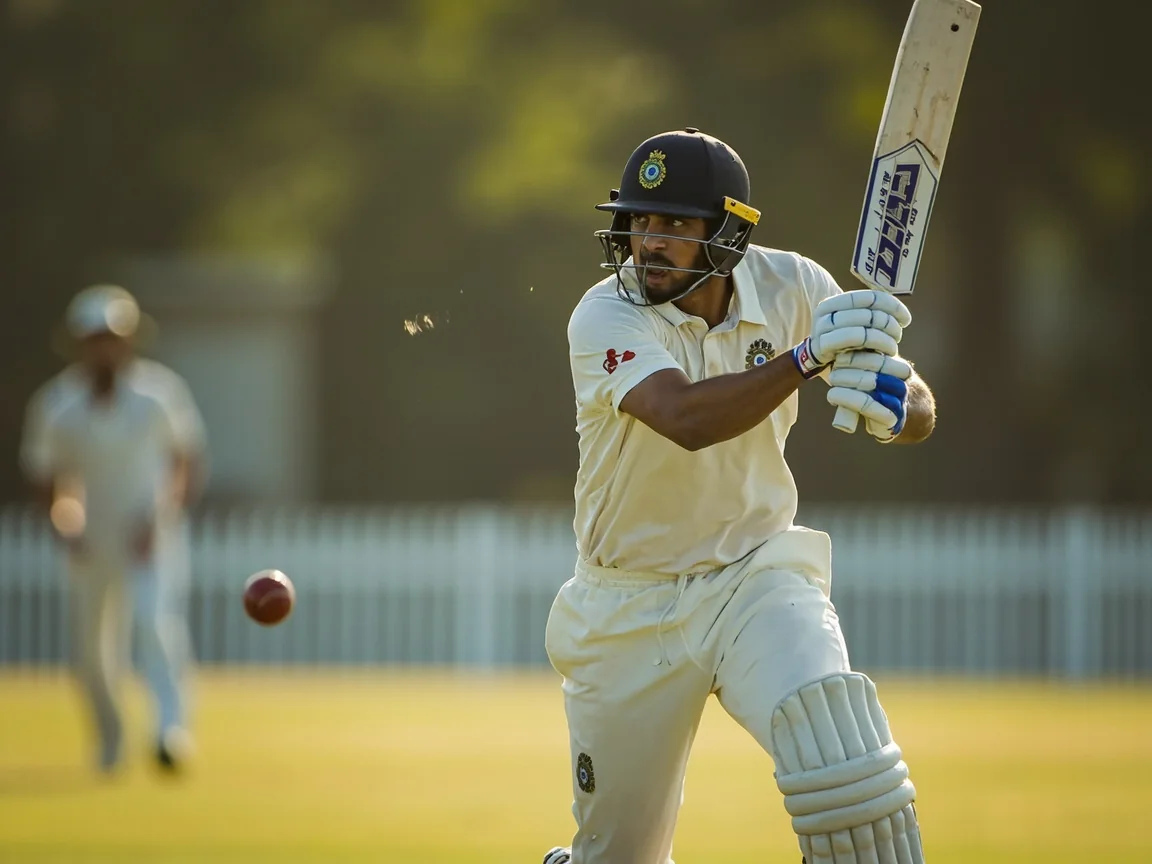
The format-comparison matrix
| Format | Cap. mult. | VC mult. | Cadence | Best role |
|---|---|---|---|---|
| T20 | 2× | 1.5× | Nightly | Top-order anchor |
| ODI | 1.5× | 1.25× | Weekly | Middle-order accumulator |
| Test | 2× | 1.5× | Marquee | Seam-bowling allrounder |
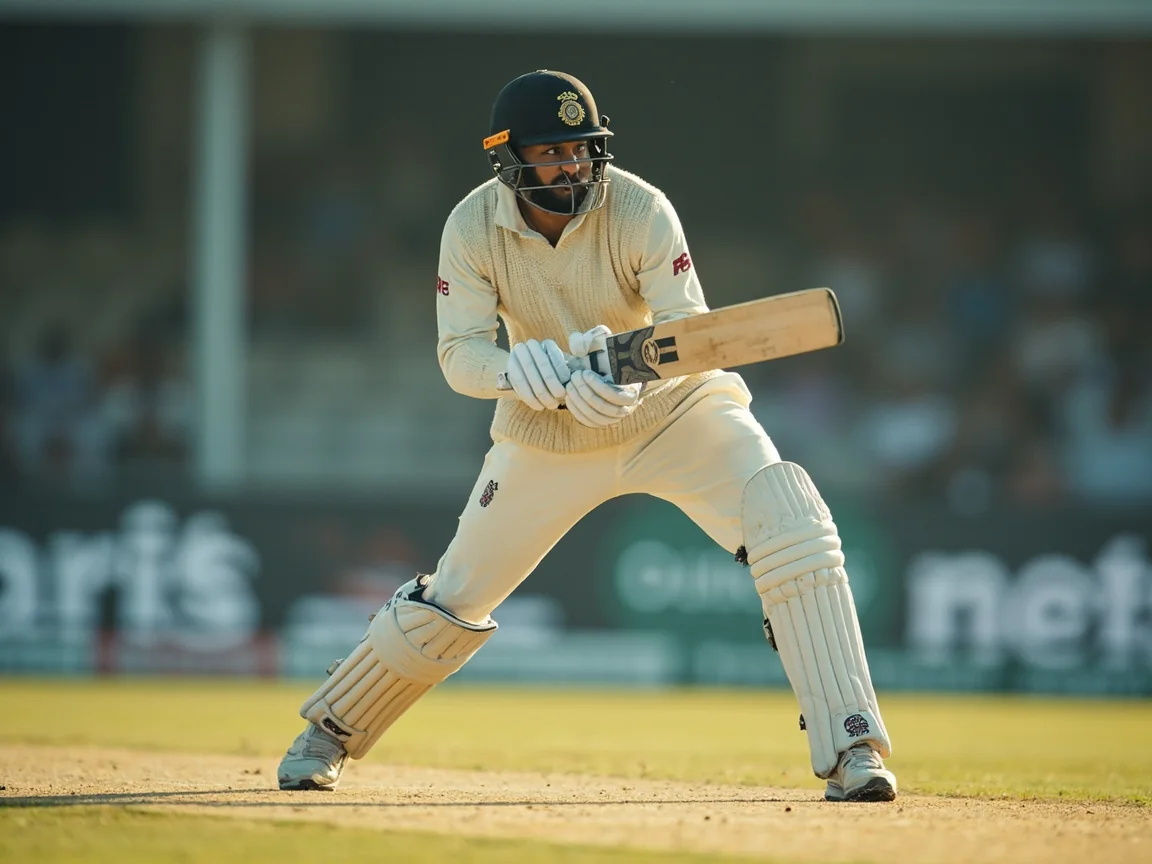
How to choose a format
For beginners, start with T20. The contest ladder is richest, the points system is most forgiving, and the differential slots are smaller. For experienced players, ODI rewards deeper reading and Test rewards the longest horizon. The desk recommends at least one T20 practice contest before any paid entry on any format.
Filed by the desk — a deeper read
Format choice on Sleeper is a contest-cadence decision as much as it is a fantasy-play decision. T20 contests run nightly; ODI contests run weekly; Test contests run rarely, aligned with marquee series. The format you pick determines how often you will be locking in a team — a meaningful constraint for readers who do not want to play every night.
T20 is the dominant fantasy format on Sleeper. The captain multiplier is 2×, the salary cap is 100 credits, and the role balance is fixed (1-4 WK, 3-6 BAT, 1-4 AR, 3-6 BOWL). The points system rewards aggressive batting (strike-rate bonus above 170), wicket-taking (25 points per wicket), and fielding (8 per catch, 12 per stumping). For beginners, T20 is the recommended starting format.
ODI is the second format. The captain multiplier is 1.5×, the salary cap is unchanged at 100 credits. The contest cadence runs roughly twice a week on international windows. ODI rewards middle-order stability more than T20 — the role multiplier favours players who bat deep, and the longer innings rewards patient accumulator picks. For experienced players, ODI is a richer fantasy format than T20 because the differential slots are wider.
Test is the rarest format. The captain multiplier is 2×, but the credit values are higher, which means the salary cap stretches across a different mix of players. Test contests reward patience and venue read; the differential slots are where Test contests are decided. The desk's read: Test contests are for experienced players who have a venue-specific read; beginners should not start here.
Across the desk's six-week audit window, T20 contests accounted for roughly eighty-two percent of total entry volume, ODI for fifteen percent, and Test for three percent. The split is consistent with industry data for fantasy-cricket apps in India. The operator's contest ladder reflects the split: more T20 contests, fewer ODI contests, rare Test contests.
For readers who want to play across formats, the desk recommends starting with T20, adding ODI once comfortable with the points system, and trying Test only after you have a venue-specific read. The format-comparison matrix on this desk is the desk's reference; readers can use it to choose the format that matches their contest cadence and reading style.
Format choice also affects the bonus structure. The strike-rate bonus and the economy bonus are T20-only; ODI and Test have different bonus structures that reward longer-innings stability rather than short-form aggression. The desk surfaces the differences on the points-system desk; readers can use the desk's reference to choose the format that matches their fantasy-play style.
On the desk — extended notes
Format choice on Sleeper is a contest-cadence decision as much as it is a fantasy-play decision. T20 contests run nightly; ODI contests run weekly; Test contests run rarely, aligned with marquee series. The format you pick determines how often you will be locking in a team — a meaningful constraint for readers who do not want to play every night.
T20 is the dominant fantasy format on Sleeper. The captain multiplier is 2×, the salary cap is 100 credits, and the role balance is fixed (1-4 WK, 3-6 BAT, 1-4 AR, 3-6 BOWL). The points system rewards aggressive batting (strike-rate bonus above 170), wicket-taking (25 points per wicket), and fielding (8 per catch, 12 per stumping). For beginners, T20 is the recommended starting format.
ODI is the second format. The captain multiplier is 1.5×, the salary cap is unchanged at 100 credits. The contest cadence runs roughly twice a week on international windows. ODI rewards middle-order stability more than T20 — the role multiplier favours players who bat deep, and the longer innings rewards patient accumulator picks. For experienced players, ODI is a richer fantasy format than T20 because the differential slots are wider.
Test is the rarest format. The captain multiplier is 2×, but the credit values are higher, which means the salary cap stretches across a different mix of players. Test contests reward patience and venue read; the differential slots are where Test contests are decided. The desk's read: Test contests are for experienced players who have a venue-specific read; beginners should not start here.
Across the desk's six-week audit window, T20 contests accounted for roughly eighty-two percent of total entry volume, ODI for fifteen percent, and Test for three percent. The split is consistent with industry data for fantasy-cricket apps in India. The operator's contest ladder reflects the split: more T20 contests, fewer ODI contests, rare Test contests.
For readers who want to play across formats, the desk recommends starting with T20, adding ODI once comfortable with the points system, and trying Test only after you have a venue-specific read. The format-comparison matrix on this desk is the desk's reference; readers can use it to choose the format that matches their contest cadence and reading style.
Frequently asked
Which format is best for beginners?
T20. Contest cadence is richest and the points system is most forgiving.
Is ODI harder than T20?
Marginally — the longer innings rewards middle-order stability and the contest cadence is less frequent.
Are Test contests worth playing?
Yes, for experienced players. The differential slots are wide and the ceiling is high.
Can I switch formats mid-contest?
No. Format selection is at team-lock time.
Can I switch from T20 to ODI mid-season?
Yes. The contest ladder runs across formats; you can enter any format's contest at any time.
Is Test fantasy harder than T20?
Marginally. The differential slots are wider, the contest cadence is rarer, and the venue read matters more.
Which format has the highest average contest entry fee?
Mega contests across all formats run similar entry fees (₹100-₹2,000). The entry fee varies by contest, not by format.
Does the format affect the points-system bonuses?
Yes. The strike-rate bonus is T20-only; the economy bonus is T20-only. ODI and Test have different bonus structures.